

Lost All Your Teeth? Here Is How Dentures Work
 September 10, 2026
•
by admin
September 10, 2026
•
by admin
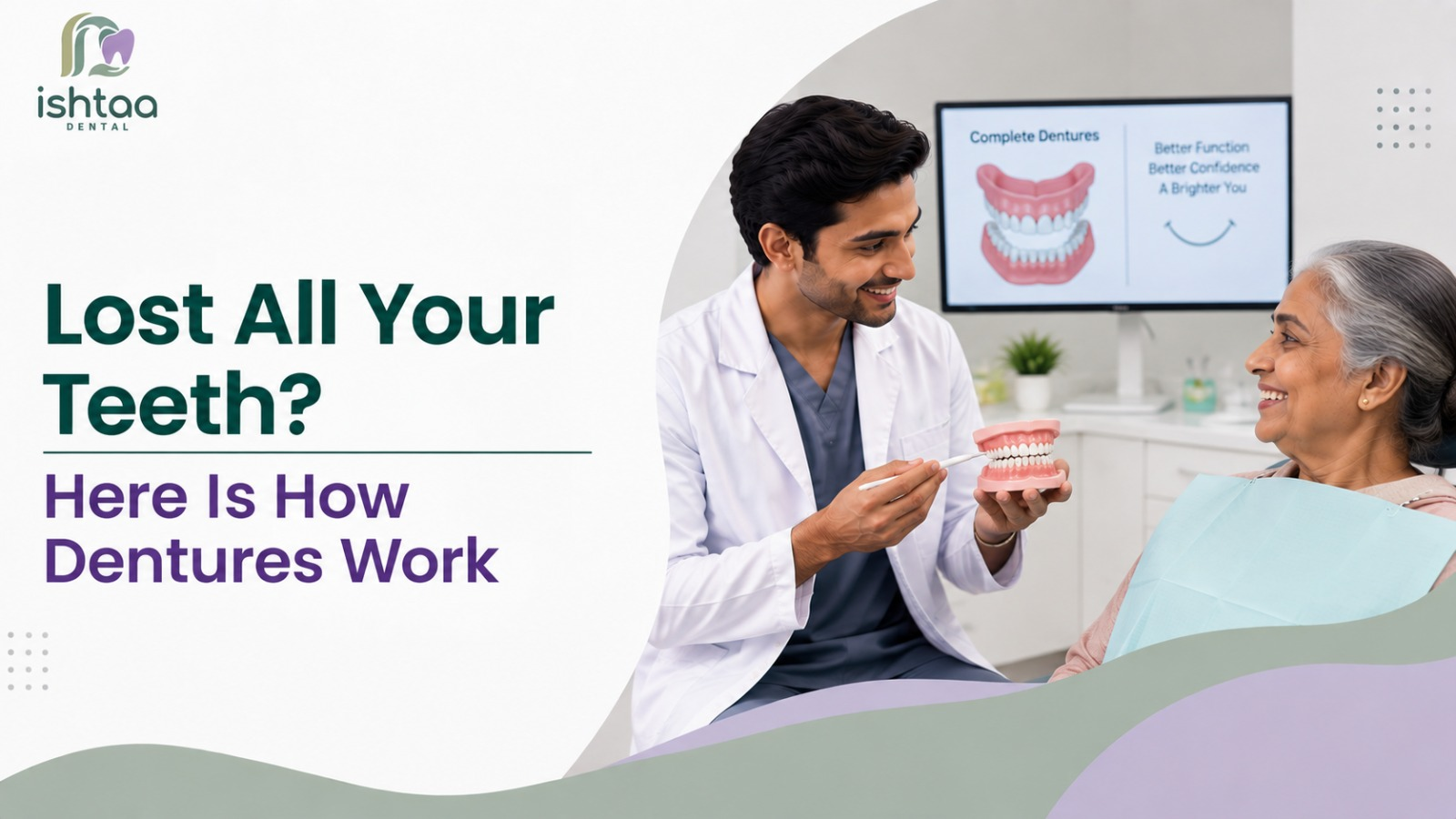
Losing most or all of your teeth changes more than your smile. Eating becomes harder, certain words come out wrong, and the lower half of your face can start looking sunken over time. Dentures exist to reverse all of that, and honestly, they have come a long way from the clunky sets your grandparents might have worn.
If someone in your family is looking into dentures, or you are considering them yourself, here is what actually happens, what your options are, and what to expect once you have them.
What A Denture Actually Is
A denture is a removable set of artificial teeth, built to replace some or all of your natural teeth. It sits on a gum coloured base that rests against your gums, held in place by suction, a bit of adhesive, or in some cases, dental implants underneath.
There is no single kind of denture. What works for someone missing every tooth is very different from what works for someone missing just a few, which is why the options below matter.
Complete Versus Removable Partial Dentures
If you have lost all your teeth in one or both jaws, a complete denture replaces the entire arch. It rests directly on your gums, and once your mouth has healed from any extractions, your dentist fits it to match your bite and your face shape.
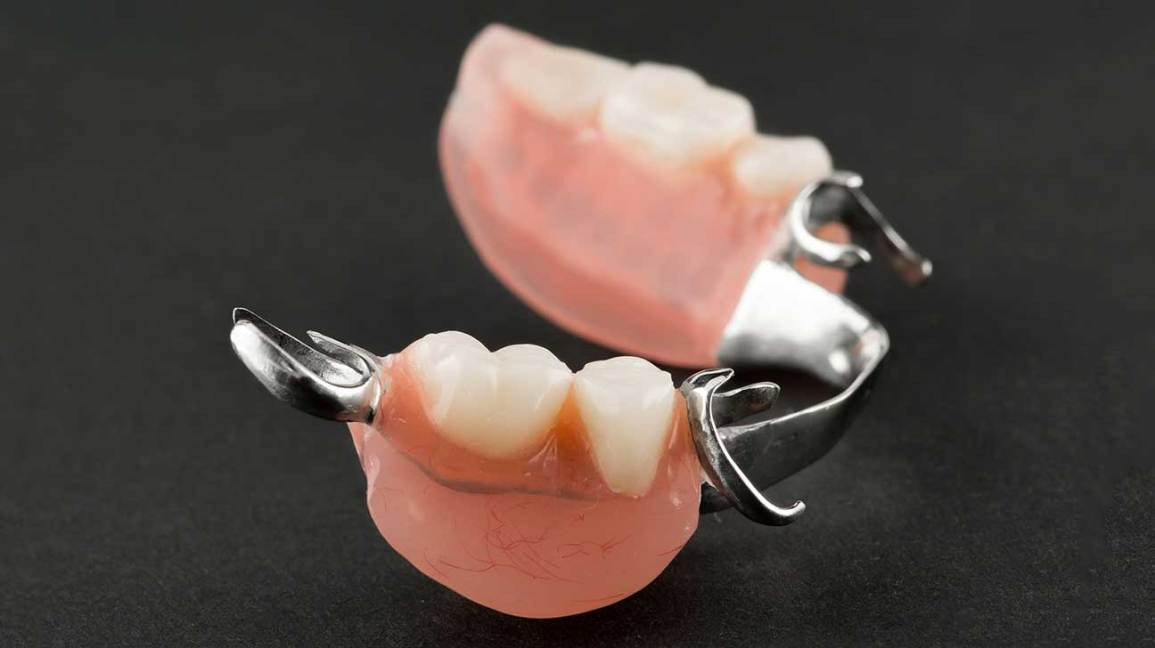
A removable partial denture works differently. It fills in gaps where a few teeth are missing while your remaining natural teeth stay in place. Small metal or plastic clasps hook onto your existing teeth to keep it steady, and you take it out at night just like a full denture.
Implant Supported Dentures
This is where things get more secure. Instead of resting loosely on your gums, an implant supported denture clips onto a small number of dental implants placed in your jawbone. The result is a denture that does not shift when you talk or chew, which is the biggest complaint people have with traditional dentures.
It costs more upfront, since implants are involved, but for a lot of patients, the stability is worth it. No slipping mid conversation, no worrying about a denture moving while eating something a bit chewy.
Comparing Your Options
| Type | Stability | Cost | Best For |
|---|---|---|---|
| Complete denture | Moderate, can shift slightly | Lower | Full tooth loss, budget conscious |
| Removable partial denture | Moderate | Lower | A few missing teeth with healthy teeth remaining |
| Implant supported denture | High, very stable | Higher | Full tooth loss, wanting a secure fit |
Getting Fitted For Dentures
It usually starts with an exam and, if any teeth still need to come out, a healing period afterward. Your gums need time to settle before an accurate impression can be taken, otherwise the denture ends up loose once swelling goes down.
From there, your dentist takes impressions of your gums and jaw, checks your bite, and sends everything to a lab where the denture gets built to match. You will likely try on a wax version first so any adjustments to shape, colour or fit can be made before the final piece is ready.
Once it is ready, expect a short adjustment period. Your mouth needs to get used to something new sitting against your gums, and minor sore spots in the first week or two are completely normal, not a sign something went wrong.
What Dentures Actually Cost In Ahmedabad
Complete and partial dentures tend to be the more affordable route compared to implant supported options, mainly because there is no surgical placement involved. Implant supported dentures cost more since they combine the implant procedure with the denture itself.
Material quality also plays a role. Higher grade acrylic or porcelain teeth generally cost more than basic options but tend to look more natural and hold up better over time. As with any dental work, get a written estimate after your consultation instead of relying on a rough number from the internet.
Living With New Dentures
Eating takes some getting used to at first. Start with softer foods, cut things into smaller pieces, and chew evenly on both sides rather than favouring one. Most people find their bite adjusts within a few weeks as the muscles in the mouth relearn the routine.
Speaking can feel odd initially too, certain words might sound slightly different. Reading out loud for a bit each day genuinely helps speed this up, it sounds strange but it works.
Take your dentures out at night. Your gums need that break, and soaking them overnight in a proper denture solution keeps them from drying out or warping. Clean them daily with a soft brush, not regular toothpaste, which can be too abrasive for the denture material.
Signs Your Dentures Need Adjusting
- Sore spots that do not go away after the first couple weeks
- Difficulty chewing certain foods even after the adjustment period
- A denture that feels loose or shifts noticeably
- Clicking sounds while talking or eating
- Visible wear on the teeth of the denture itself
Do not just push through discomfort assuming it will fix itself. A quick adjustment appointment is usually all it takes.
Frequently Asked Questions
1. How long does it take to get used to new dentures?
Most people adjust within a few weeks, though eating and speaking comfortably can take a bit longer depending on the individual.
2. Are implant supported dentures worth the extra cost?
For many patients, yes, especially if stability while eating and speaking matters more than the upfront saving of a traditional denture.
3. Can I sleep with my dentures in?
It is better not to. Giving your gums a nightly break helps keep the tissue healthy and reduces the risk of irritation.
4. How often do dentures need to be replaced?
Every five to ten years on average, since gums and jawbone shape naturally change over time, affecting the fit.
5. Will dentures affect how I speak?
There can be a short adjustment period where certain sounds feel different, but most people speak completely normally again within a few weeks.
Get Your Smile And Bite Back
Whether you need a full set or just something to fill a few gaps, dentures today are far more comfortable and natural looking than older versions people remember. The right type for you depends on how many teeth you are missing, your budget, and how much stability you want.
If you are in Shilaj or South Bopal and thinking about dentures, book a consultation with Ishtaa Dental to find the option that fits your mouth and your life.