

 5 Min Read
Let's be honest most of us don't think about visiting the dentist unless something starts hurting. As long as our teeth look fine and we can eat without pain, we assume everything is okay. Unfortunately, that's exactly why many dental problems go unnoticed until they become serious.
The truth is, cavities, gum disease, and even oral infections often develop silently. By the time you notice pain, the problem has usually progressed and may require more complex treatment.
If you've ever searched for a dental clinic near me only because of a toothache, you're not alone. But regular dental visits are about much more than treating pain they're about preventing it altogether.
So, how often should you actually visit a dentist? The answer depends on your oral health, lifestyle, and age. Here's everything you need to know.
You've probably heard that you should visit a dentist every six months. This isn't just a random rule it's based on how plaque and bacteria affect your teeth over time.
Even if you brush and floss every day, certain areas of your mouth are difficult to clean completely. Over time, soft plaque hardens into tartar, which cannot be removed with a toothbrush alone.
Professional cleanings every six months help remove this buildup before it leads to cavities, gum disease, or bad breath. Regular check-ups also allow your dentist to spot small issues before they turn into painful and expensive treatments.
Think of it like servicing your car. Routine maintenance prevents bigger problems later.
While twice a year works well for most people, not everyone has the same dental needs.
Your dentist may recommend a visit every three to four months to keep your teeth and gums healthy.
Some people with excellent oral hygiene, healthy gums, and no history of dental problems may only require one professional cleaning each year.
However, this decision should always be made by your dentist not by skipping appointments on your own.
Many people avoid the dentist because they think every appointment will involve drilling or injections.
In reality, most routine visits are simple, comfortable, and preventive.
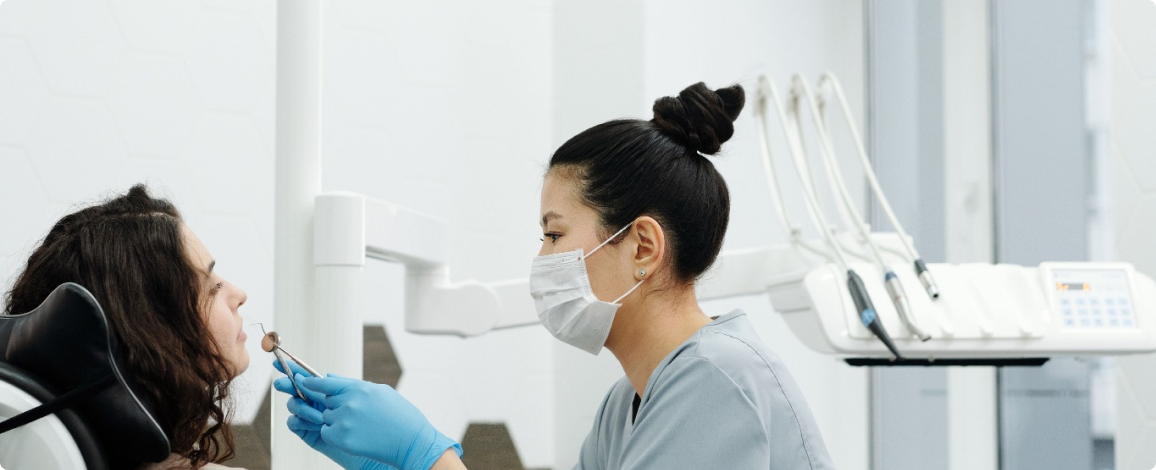
The dentist or hygienist removes plaque and tartar from your teeth before polishing them to leave the surface smooth and clean.
Your dentist checks for cavities, cracked teeth, gum disease, worn fillings, and other dental concerns.
Healthy gums are just as important as healthy teeth. Early gum disease often develops without pain, making regular examinations essential.
If required, digital X-rays help detect hidden cavities, infections, or bone loss that cannot be seen during a visual examination.
Most appointments are completed within 30 to 45 minutes.
While routine visits are important, certain symptoms mean you should book an appointment immediately instead of waiting.
Watch out for:
Healthy gums shouldn't bleed during brushing or flossing. Persistent bleeding could indicate gingivitis or gum disease.
Sharp pain when eating hot, cold, or sweet foods may signal enamel damage or an early cavity.
Bad breath that doesn't improve after brushing may be caused by plaque buildup, gum disease, or tooth decay.
Adult teeth should never feel loose. This may indicate advanced gum disease or bone loss.
Even mild tooth pain shouldn't be ignored. Early treatment usually prevents more complicated procedures later.
One of the biggest reasons people avoid the dentist is cost.
Ironically, postponing routine check-ups often results in much higher treatment expenses.
For example:
Preventive dentistry almost always costs less than restorative dentistry.
Regular visits help detect problems while they're still easy—and affordable—to fix.
Your dentist can clean and examine your teeth a few times a year, but your daily habits matter just as much.
Here are a few simple ways to maintain a healthy smile:
Small daily habits make a huge difference over time.
If you're looking for a dental clinic near me, don't choose one based only on distance.
A good clinic should offer:
Building a long-term relationship with a trusted dentist makes every future visit more comfortable.
Waiting until your teeth hurt is one of the most common dental mistakes people make. Most oral health problems begin quietly, which is why routine dental check-ups are so important.
For most adults, visiting a dentist every six months is the simplest way to prevent cavities, gum disease, and costly treatments. If you're at a higher risk of dental problems, your dentist may recommend more frequent visits based on your individual needs.
If it's been more than six months since your last appointment, consider this your reminder. Booking a routine check-up today is far easier and much less stressful than dealing with a dental emergency tomorrow.
A healthy smile isn't built in one visit. It's maintained through small, consistent habits and regular professional care.
Most adults should visit every six months. However, people with gum disease, braces, diabetes, or frequent cavities may need more frequent appointments.
Yes. Brushing removes plaque, but hardened tartar can only be removed by a dental professional.
Small problems such as cavities or gum inflammation may go unnoticed until they require more extensive and expensive treatment.
A regular examination and professional cleaning usually take around 30–45 minutes.
You should visit your dentist as soon as possible if you experience tooth pain, swelling, bleeding gums, persistent bad breath, loose teeth, or sensitivity that doesn't improve.