

 5 Min Read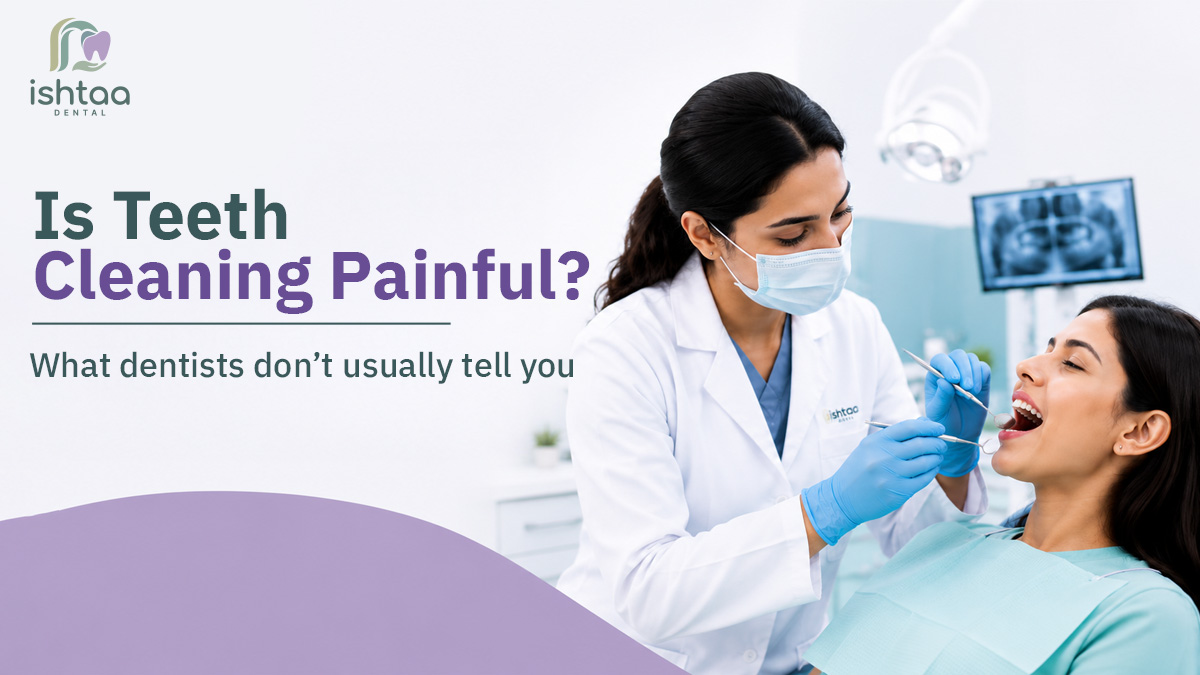
If you've ever postponed a dental appointment because you were worried about the cleaning, you're definitely not alone. For many people, the thought of metal instruments, scraping sounds, and sensitive teeth is enough to delay a visit for months or even years.
The irony is that avoiding professional cleaning often makes the next appointment more uncomfortable than it needs to be.
So, is teeth cleaning painful? The short answer is no for most people, it isn't. While you may experience slight pressure or mild sensitivity, professional teeth cleaning is generally a quick and comfortable procedure. In fact, regular cleanings make future visits easier because there's less plaque and tartar to remove.
If you've been searching for teeth cleaning near me but keep putting off booking an appointment, this guide will help you understand exactly what happens during a cleaning, when discomfort is normal, and why regular cleanings are one of the best investments you can make for your oral health.
Many people imagine teeth cleaning as a painful scraping session, but modern dentistry is much gentler than it used to be.
A routine professional cleaning usually takes between 30 and 45 minutes, depending on the amount of plaque and tartar buildup.

Before the cleaning begins, the dentist or dental hygienist carefully examines your teeth and gums. They'll look for cavities, gum inflammation, plaque buildup, and any early signs of dental problems that may need attention.
Scaling is the process of removing hardened plaque, also called tartar, from the surface of your teeth and around the gum line. Most clinics today use ultrasonic scalers that vibrate gently while spraying water, making the process quicker and more comfortable than traditional hand instruments.
You may hear a scraping sound, but that doesn't mean your teeth are being damaged. It's simply the tartar breaking away from the tooth surface.
Once the tartar has been removed, your teeth are polished using a soft rotating brush and a mildly abrasive polishing paste. This removes surface stains caused by tea, coffee, tobacco, and certain foods while making it harder for plaque to stick to your teeth.
The cleaning finishes with professional flossing and a thorough rinse to remove any remaining debris. Some clinics also recommend a fluoride treatment to strengthen your enamel and reduce the risk of future cavities.
For most patients, the answer is no.
Instead of pain, you'll usually feel light pressure, gentle vibrations, and occasional sensitivity in certain areas. Most people describe it as slightly uncomfortable rather than painful.
However, your experience depends on the condition of your teeth and gums.
If it's been several years since your last cleaning, there's likely to be more tartar buildup. Removing larger deposits naturally takes a little longer, which can make the appointment feel more sensitive.
People with bleeding gums or gum disease may also experience temporary tenderness because the gums are already inflamed before the cleaning even begins.
Likewise, exposed tooth roots, worn enamel, or naturally sensitive teeth may react to cold water or ultrasonic vibrations during the procedure.
The good news is that these issues improve with regular dental visits.
Many patients arrive feeling nervous simply because nobody has explained what to expect.
Here are a few things worth knowing before your appointment.
You're never expected to sit through the entire cleaning if you're uncomfortable. Simply raise your hand, and your dentist will pause immediately.
If your teeth are particularly sensitive, many clinics can apply a topical numbing gel before scaling. It isn't always offered automatically, so don't hesitate to ask.
Seeing a little blood during cleaning can be alarming, but it's usually a sign that your gums are inflamed not that the dentist has injured them.
Regular cleanings help reduce bleeding over time by improving gum health.
A good dentist will explain each step before starting, answer your questions, and check in throughout the procedure. Never feel embarrassed about mentioning anxiety or sensitivity.
For most adults, a professional cleaning every six months is considered ideal.
This schedule prevents plaque from turning into hardened tartar and allows your dentist to identify small problems before they become serious.
Some people may benefit from more frequent cleanings, including:
Your dentist will recommend a schedule based on your oral health rather than following the same routine for everyone.
Preparing for your appointment can make the experience even smoother.
Try to breathe slowly through your nose and keep your shoulders relaxed. The more relaxed you are, the easier the procedure becomes.
If anything feels uncomfortable, let your dentist know immediately instead of trying to tolerate it.
Your teeth may feel slightly sensitive to cold drinks for a day or two, especially if significant tartar was removed.
Avoid extremely hot or cold foods for the first few hours, continue brushing gently, and drink plenty of water.
Many people think brushing twice a day is enough. While good brushing habits are essential, they can't remove hardened tartar.
Professional cleaning offers benefits that daily brushing simply can't provide.
It helps:
Most importantly, routine cleanings reduce the chances of needing expensive treatments like root canals, gum surgery, or tooth extractions later.
Professional teeth cleaning isn't something to fear it's something your smile will thank you for.
Most patients experience only mild pressure and temporary sensitivity, while the long-term benefits are enormous. Cleaner teeth, healthier gums, fresher breath, and fewer dental problems all begin with regular preventive care.
If it's been more than six months since your last appointment, don't wait until a tooth starts hurting. Book a professional cleaning now and make it part of your routine. Your future self and your smile will appreciate it.
No. Professional cleaning removes plaque and tartar without harming healthy enamel when performed by a qualified dentist.
Bleeding usually indicates gum inflammation caused by plaque buildup. Regular cleanings and good oral hygiene typically reduce bleeding over time.
Professional cleaning removes surface stains and makes teeth appear brighter, but it doesn't change the natural colour of your teeth like professional whitening treatments.
Most appointments take between 30 and 45 minutes. If there's heavy tartar buildup, it may take slightly longer.
Yes, although it's best to wait until any fluoride treatment has settled and avoid extremely hot or cold foods if your teeth feel temporarily sensitive.