

 5 Min Read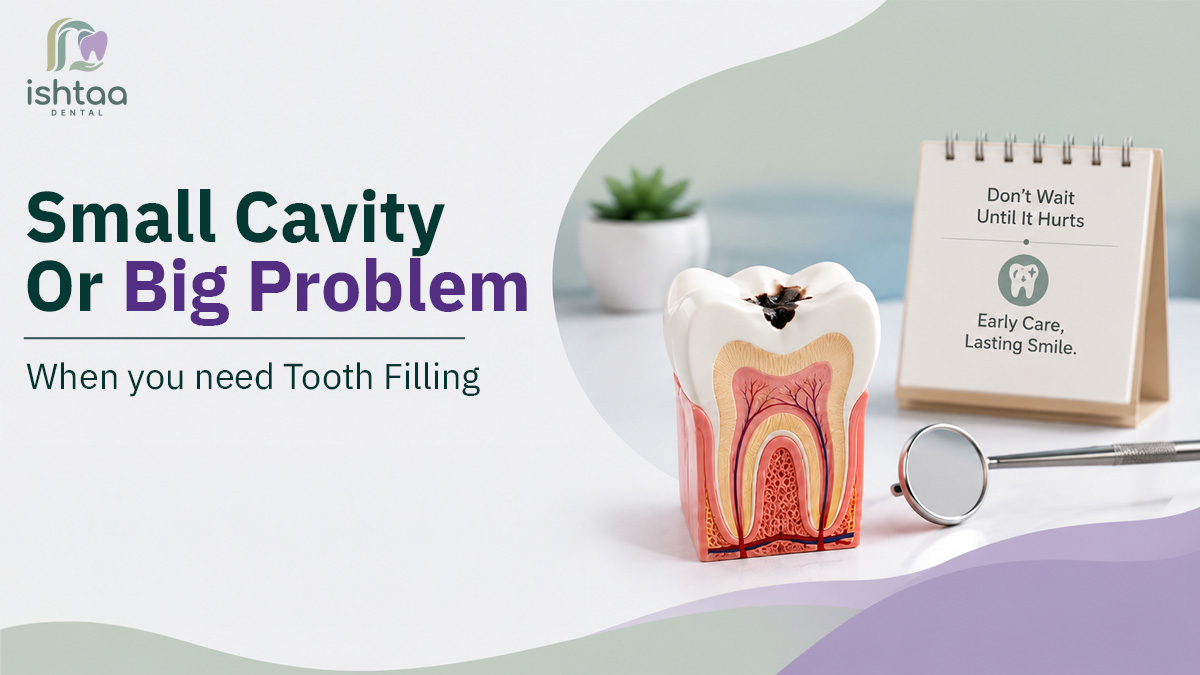
A tiny black spot on your tooth may not seem like a big deal. It doesn't hurt, you can still chew comfortably, and life goes on as usual. So naturally, many people assume it can wait. Unfortunately, that's exactly how small cavities turn into painful and expensive dental problems.
Tooth decay doesn't heal on its own. Once a cavity forms, it continues to grow unless it's treated. What could have been fixed with a simple filling may eventually require a root canal or even tooth extraction.
The good news is that getting a tooth filling is one of the quickest, safest, and most effective dental procedures available today. Modern fillings look natural, restore your tooth's strength, and can last for many years with proper care.
If you've been wondering whether you really need a filling or what the procedure involves, this guide will answer all your questions.
A tooth filling is a dental treatment used to repair a tooth that has been damaged by decay, small cracks, or minor fractures. During the procedure, the dentist removes the decayed portion of the tooth and fills the empty space with a durable material that restores its shape, strength, and function.
The goal isn't just to fill a hole it's to stop decay from spreading deeper into the tooth.
Modern fillings are designed to blend naturally with your teeth, making them almost invisible while allowing you to eat, speak, and smile with confidence.
Every day, bacteria inside your mouth feed on leftover food particles and sugar. These bacteria produce acids that slowly weaken your tooth enamel.
If plaque isn't removed through proper brushing and flossing, the enamel begins to break down, creating tiny holes known as cavities.
At first, you may not notice anything unusual. But as the cavity grows deeper, it reaches the sensitive layers beneath the enamel, leading to discomfort and pain.
The earlier a cavity is treated, the simpler and less expensive the treatment becomes.
One of the biggest misconceptions is that cavities always hurt.
In reality, many early cavities develop without causing any pain at all. That's why regular dental check-ups are so important.
However, some warning signs should never be ignored.
If your teeth suddenly react to hot coffee, cold drinks, or sweet foods, it could be an early sign of decay.
Sharp pain when biting down often indicates that the cavity has reached a deeper layer of the tooth.
Brown, black, or white spots on the tooth surface may indicate enamel damage.
If food constantly collects in one particular area, a cavity may have already formed.
A dull ache that comes and goes shouldn't be ignored. It's often your tooth's way of telling you that decay is progressing.
Many patients worry more about the treatment than the cavity itself. The reality is much simpler than most people expect.
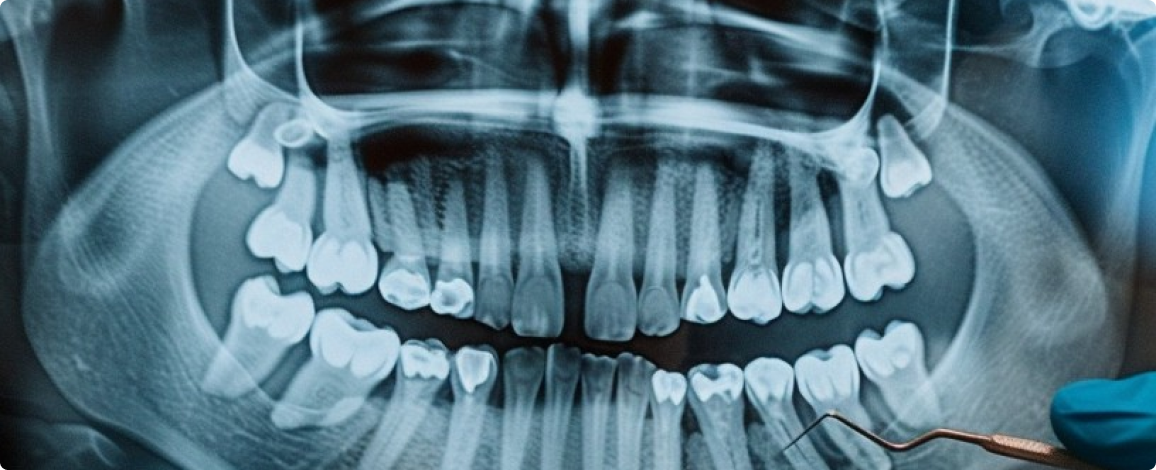
Your dentist first examines the affected tooth and may take an X-ray to determine how deep the cavity extends.
A local anaesthetic is used to numb the area completely. You may feel a small pinch during the injection, but after that, the procedure is generally pain-free.
The damaged part of the tooth is carefully removed using specialised dental instruments. Only the infected portion is taken away while preserving as much healthy tooth structure as possible.
The cleaned cavity is filled with the chosen material and carefully shaped to match your natural bite.
Finally, the filling is polished to create a smooth surface that feels comfortable and looks completely natural.
Most appointments are completed within 30 to 45 minutes, depending on the size of the cavity.
Not every filling is the same. Your dentist will recommend the best material based on the location and size of the cavity.
These tooth-coloured fillings are the most popular choice today. They blend perfectly with natural teeth and are ideal for visible areas.
These fillings release fluoride, making them useful for children and cavities near the gum line.
Silver amalgam fillings are extremely durable and commonly used for back teeth that handle heavy chewing pressure.
Made from porcelain, ceramic fillings are highly durable, stain-resistant, and aesthetically pleasing, although they are generally more expensive.
This is probably the question dentists hear most often.
Thanks to modern anaesthesia, getting a filling is usually painless.
During the procedure, you'll mainly feel pressure and vibration rather than pain.
After the numbness wears off, mild sensitivity for a day or two is completely normal. This usually disappears without any treatment.
If you experience severe pain or your bite feels uneven after the procedure, contact your dentist. A small adjustment is often all that's needed.
Ignoring a cavity rarely ends well.
As the decay spreads deeper into the tooth, it eventually reaches the nerve, causing severe pain and infection.
At that stage, a simple filling is no longer enough.
You may require:
Treating a cavity early is not only faster but also significantly less expensive.
A well-maintained filling can last for many years.
Here are a few simple habits that help:
Preventive care protects both your natural teeth and your dental restorations.
A cavity may start small, but it rarely stays that way.
The sooner you get a tooth filling, the easier the treatment will be and the more of your natural tooth can be preserved. Modern fillings are comfortable, natural-looking, and completed in a single visit in most cases.
If you've noticed sensitivity, pain while chewing, or visible signs of decay, don't wait for the problem to become worse. A simple filling today could save you from far more complex treatment tomorrow.
Taking care of a small cavity now is one of the smartest decisions you can make for your long-term oral health.
Composite fillings usually last between 7 and 10 years, while ceramic and amalgam fillings can last even longer with proper care.
Only very early enamel damage may improve with fluoride treatment. Once an actual cavity forms, it cannot heal naturally and requires a filling.
Yes. Once the numbness wears off, you can eat normally. However, it's best to avoid very hard foods for the first 24 hours.
Yes. Modern composite resin fillings are durable enough for most everyday chewing and are widely used because they closely match the colour of natural teeth.
Brush twice a day, floss daily, reduce sugary foods, drink plenty of water, and visit your dentist every six months for preventive check-ups.